 Find an AdBlue® filling station

Brake cleaning plays a crucial role in maintaining the performance of the braking system, ensuring driver safety in all operating conditions. This work is not simply about cleaning the brake pads or discs, but also involves inspecting and maintaining other important components of the braking system. Understanding the process is essential brake cleaning this will help car owners learn how to properly maintain their vehicles, minimize potential problems, and extend the lifespan of their braking systems.
In this article, we will delve deeper into the importance of brake cleaning, this guide outlines the correct procedures and important considerations to ensure your braking system always operates optimally. Let's explore the secrets to keeping your vehicle in top condition, while protecting yourself and your loved ones from unexpected risks on the road.

Why is brake cleaning necessary for a car?
Brake cleaning is not simply about wiping the surface of the brake discs or pads; it's also about maintaining the performance and safety of the entire system.
Protecting critical components in the braking system
A vehicle's braking system comprises numerous components such as brake pads, brake discs, brake mechanisms, wipers, and brake fluid lines. During operation, dirt, debris, grease, or grime accumulate on these parts, leading to faster wear and tear and potential damage. Regular cleaning removes these contaminants, reduces the risk of corrosion, and keeps the system in optimal working condition.
Furthermore, proper cleaning allows car owners to detect early signs of wear and tear or malfunctions in parts such as unevenly worn or misaligned brake pads, or worn or cracked brake discs. This enables timely replacement or repair, avoiding the risk of losing control while driving.
Enhance the efficiency and durability of the brakes
A clean braking system, free from grease or dirt, will provide better braking performance, reduce energy consumption, and minimize braking lag. This is especially important for vehicles operating on rough terrain, in dusty conditions, or in other dusty environments, brake cleaning regular maintenance is crucial in keeping your brakes in optimal condition.
In addition, regular cleaning helps reduce braking noise and minimize vibrations that cause discomfort for the driver and passengers. Furthermore, maintaining brake cleaning proper implementation also contributes to reducing CO2 emissions because the system operates more efficiently and is more environmentally friendly.
Save on long-term repair costs
It's no coincidence that car manufacturers always recommend that owners regularly inspect and clean their braking systems. This helps detect minor problems early, such as worn brake pads, brake fluid leaks, or other minor issues, thereby minimizing major repair costs later. Instead of waiting until components are excessively worn before discovering problems, regular cleaning extends their lifespan, reduces the need for extensive replacements, and saves car owners considerable money.
Whether you're new to DIY car maintenance or already familiar with garages, understanding the importance of brake cleaning This offers advantages in maintaining the vehicle's safe and long-lasting operation. In the next section, we will delve deeper into the process brake cleaning proper methods and necessary precautions are essential for maximizing the effectiveness of this maintenance.
Proper brake cleaning procedure – Safe and highly effective
To ensure brake cleaning for optimal results, you need to follow a scientific and precise process from preparation to completion. Each step in the cleaning process plays a crucial role in removing dirt, grease, and performing a comprehensive check of the braking system.
First, prepare all the necessary tools such as wrenches, an air pump for removing the wheels, a rust removal brush, and a cleaning solution brake cleaning, and protective equipment such as safety glasses and gloves. Thorough preparation will save time, provide better control during the cleaning process, and prevent damage to components.
After preparation, carefully remove the wheels and clean the brake discs, brake pads, and related mechanical parts. This cleaning not only removes dirt but also allows for a clear observation of wear or damage to the components. When cleaning, use appropriate solutions and avoid using harsh detergents that can corrode and damage the surfaces. Finally, reassemble the components and test the brakes through a series of checks to ensure everything operates smoothly.
Here are some important points to note in the process brake cleaning mà bạn cần ghi nhớ:
Choose the right type of cleaning solution
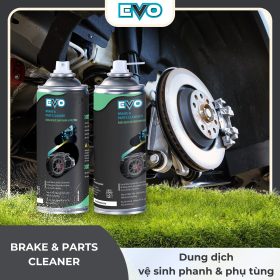
The quality of the cleaning solution is a crucial factor in determining the effectiveness of the cleaning process. Specialized brake cleaning products usually contain safe ingredients that remove grease and dirt without corroding the metal. Avoid using solvents containing acetone or other harsh substances, as these can damage the surface of the brake discs or brake pads.

One important thing to note is to check the product's origin to ensure quality. Choosing a reputable brand with certifications will give you more peace of mind regarding the safety of the cleaning solution. Additionally, carefully read the instructions and follow the correct procedure to avoid unwanted errors.
Disassemble and reassemble components using proper techniques.
The disassembly and reassembly technique is crucial to the success of the cleaning process. When removing brake discs, brake pads, or related systems, handle them gently to avoid scratching or damaging the components. Also, remember the positions of the parts to reassemble them correctly, avoiding misalignment or incorrect positioning that could cause imbalance during braking.
During assembly, the screws must be tightened to the correct torque, neither too tight nor too loose. This ensures smooth brake operation, minimizing or eliminating noise and vibration during braking. Proper installation techniques not only protect the components but also extend their lifespan, ensuring maximum safety while driving.
Check functionality after cleaning.
After completing the cleaning and assembly process, a check of the braking system's operation is essential. Owners should test the brakes slowly to ensure a clear braking feel, without any strange noises or hesitation. If any problems are detected, such as misalignment or sticking, they should be checked again or promptly addressed by professional technicians.
Regularly monitor the feel of the braking system during operation, such as the feel of the pedal, its responsiveness, and the amount of play in the pedal. This will help you make appropriate adjustments, ensuring maximum safety during your journey.
Important notes when cleaning brakes
Brake cleaning is not a simple task; it requires care, precision, and specific technical knowledge. Besides the main steps, there are also persistent and careful considerations to ensure every stage meets standards.
For example, it should not be brake cleaning when the system is still hot, high temperatures can cause deformation or burns. Wait until the brake discs and pads have completely cooled before starting any work. Also, when cleaning, avoid getting cleaning solution or dirt on unnecessary parts, especially those related to the hydraulic system.
In some special cases, such as vehicles driven in dusty environments, more frequent cleaning may be required, or after replacing new components. Owners should also pay attention to warning signs such as loud brake noises, soft-feeling brake pedals, or decreased braking effectiveness, so that timely action can be taken.
Finally, the brake cleaning regular maintenance also helps car owners better understand the condition of the system, thereby making more appropriate maintenance decisions and protecting their own safety and that of their passengers.
FAQ – Frequently Asked Questions about Brake Cleaning

How do you know when your brakes need cleaning?
If you notice loud brake noises, a heavy feeling in your foot, or reduced braking effectiveness, it's time to inspect and clean your braking system. Additionally, the manufacturer recommends regular cleaning every 10,000–15,000 km or whenever unusual signs appear.
Is it possible to clean car brakes at home?
It's possible if you have the technical knowledge, the right tools, and follow the correct procedure. However, if you're unfamiliar with the process, it's best to take your car to a garage or service center to ensure safety and avoid damaging the braking system.
What tools and equipment do I need to prepare for cleaning the brakes?
You will need tools such as a wheel removal kit, a brush, and cleaning solution brake cleaning, a brake disc holder, gloves, safety glasses, and appropriate wrenches for disassembly and assembly.
Do brake pads or brake discs need to be replaced after cleaning?
It's not mandatory, unless the brake pads or discs are excessively worn, cracked, or damaged. Cleaning only helps to remove dirt and check for damage; replacement of parts should be based on the actual condition.
Does cleaning the brakes affect the ABS system?
Proper cleaning will not affect the ABS system. However, using unsuitable solutions or tools, or performing the cleaning carelessly, can damage the sensors or related components, causing the ABS to malfunction.
Brake cleaning – key to ensuring a safe journey
Brake cleaning is an essential and indispensable part of routine car maintenance to ensure the braking system always functions properly, safely, and durably. Following the correct techniques, using appropriate tools, and paying attention to timing and vehicle condition will help car owners proactively maintain their vehicles, detect early signs of problems, and save on repair costs in the long run.
Understanding the importance of brake cleaningBy doing this, car owners not only extend the lifespan of their braking system, but also contribute to improving safety for themselves, their families, and everyone around them. Consider this brake cleaning as an essential part of your car maintenance routine, ensuring peace of mind on any road.
See more promotions at: https://www.facebook.com/blueoneadblue2908