 Find an AdBlue® filling station
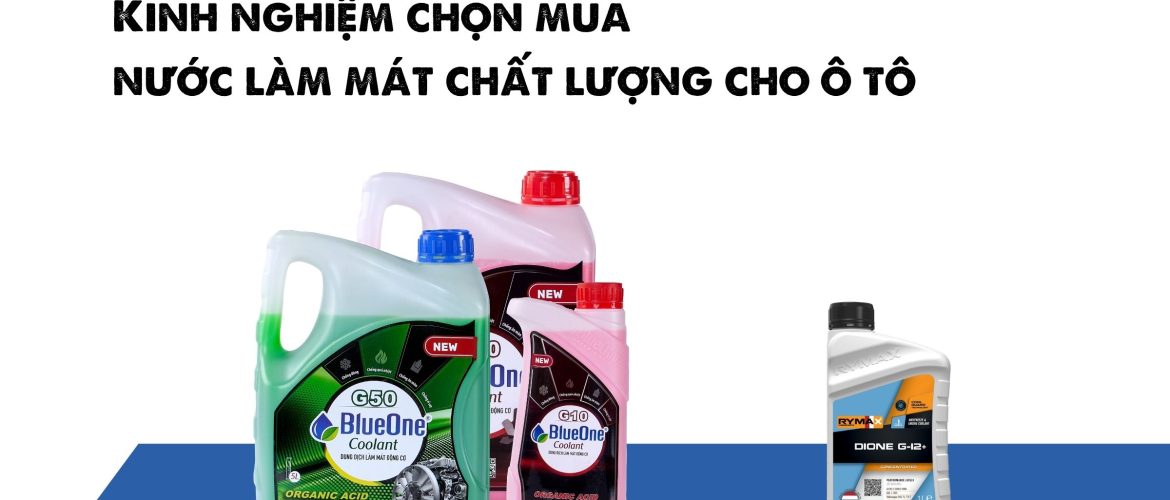
Coolant it is an essential maintenance product that directly impacts the performance and lifespan of an automotive engine. A suitable fluid not only helps regulate temperature but also minimizes corrosion and deposit buildup, while protecting the internal components of the cooling system. However, the current market offers a wide array of products with varying technologies, compositions, and price points, making it challenging for consumers to make a choice.
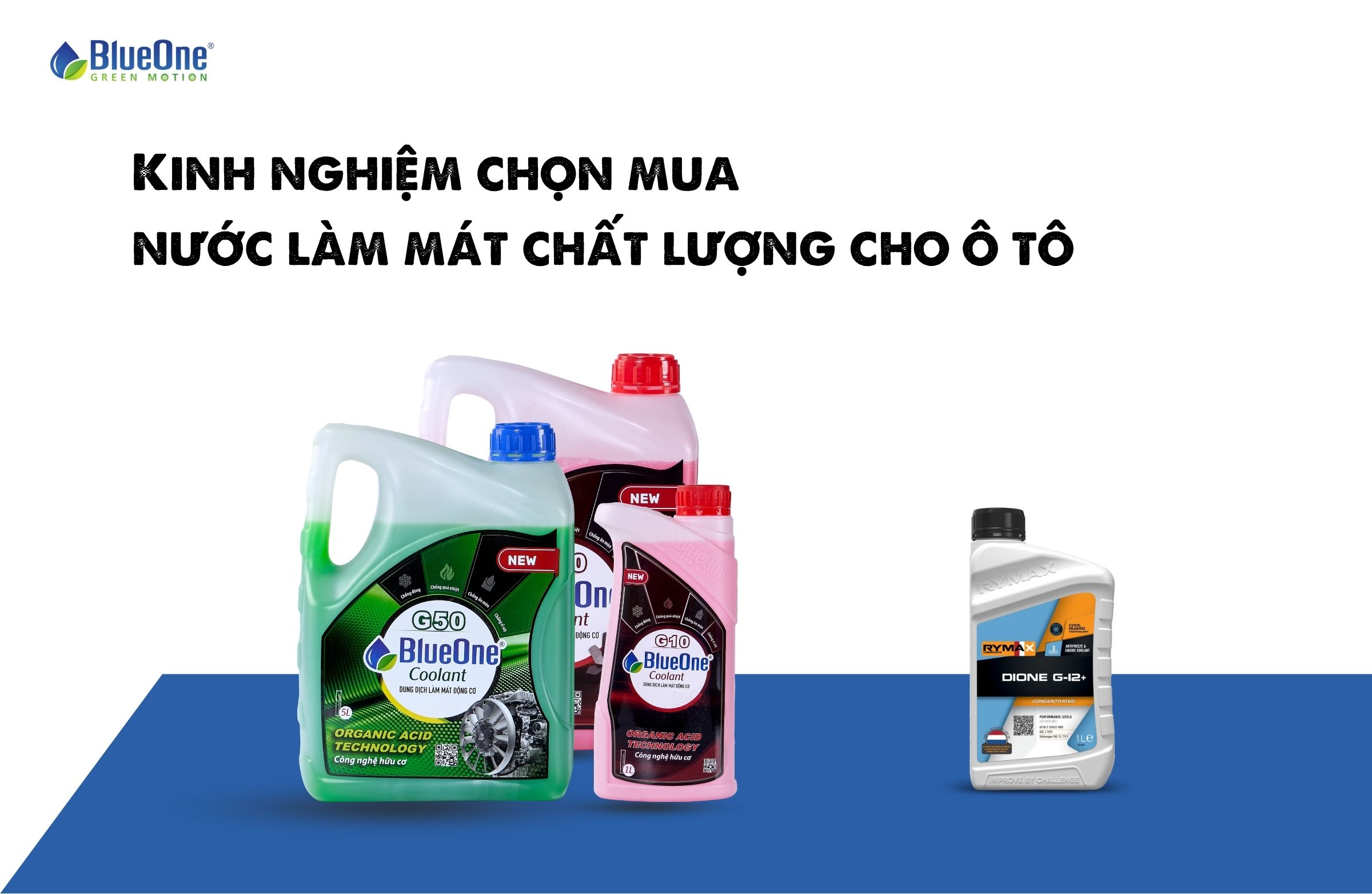
So, how do you choose a high-quality engine coolant? Should your decision be based on color, price, or brand? In reality, the quality of the coolant depends on several factors, such as its additive technology, glycol content, technical standards, and compatibility with the engine. Understanding the following insights will help vehicle owners and transport businesses select the right product and minimize risks during use.
Determine the appropriate type of coolant for the engine
The first step when choosing a coolant is to determine the technical requirements of your vehicle. Every automotive manufacturer has specific recommendations regarding the type of fluid, additive technology, and applicable standards. A product that is suitable for one vehicle may not necessarily meet the requirements of another, even if they share the same color or have an equivalent glycol concentration.
Vehicle owners should consult their owner’s manual or maintenance documentation to determine the exact type of coolant recommended. Key factors to consider include technical specifications, additive technology, and compatibility with the materials used in the cooling system. Products should not be selected based solely on advertisements or word-of-mouth recommendations.
The requirements for personal vehicles, light trucks, and heavy-duty transport vehicles differ. Vehicles that frequently travel long distances, carry heavy loads, or operate in high-temperature conditions require a fluid capable of providing robust protection and thermal stability over extended periods.
Focusing on the technology and composition of engine coolant
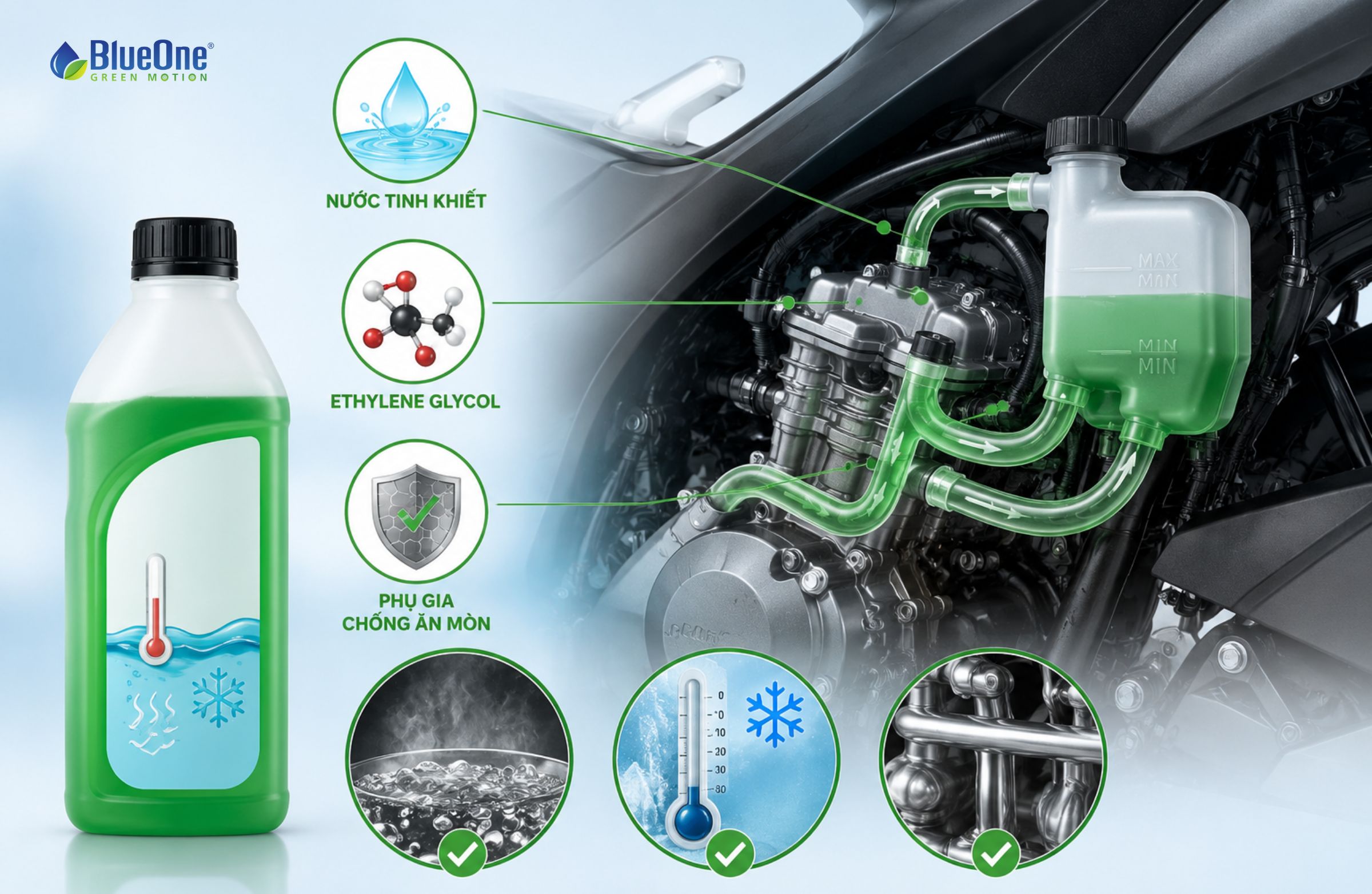
Additive technology is a key factor in determining the protective capability of engine coolant. Currently, common technologies include IAT, OAT, and HOAT. IAT utilizes inorganic additives to protect metal surfaces; OAT employs organic acid compounds; and HOAT combines organic additives with certain inorganic components to create a protective mechanism tailored to the specific requirements of different engine systems.
In modern product lines, OAT technology is widely used due to its ability to provide corrosion protection and minimize the formation of additive-based deposits, provided the formulation is appropriately designed. However, it should not be assumed that OAT is suitable for all vehicles; users must still verify the vehicle manufacturer's requirements before making a selection.
Beyond additive technology, the glycol component also warrants attention. Ethylene glycol is a common ingredient in engine coolants due to its ability to adjust the freezing and boiling points of the solution. A high-quality product requires an optimal mixing ratio, water that meets specific standards, and a stable additive package to maintain efficient heat transfer and provide engine protection.
Check the concentration and product form before purchasing
Coolant products on the market generally come in two main forms: pre-mixed solutions and concentrates. With pre-mixed products, the manufacturer has already blended water and glycol in a specific ratio, allowing users to apply the solution directly according to the instructions. This is a convenient option for individual vehicle owners or maintenance facilities that do not need to mix the solution themselves.
For concentrated products, users must dilute them with water that meets specified standards, following the manufacturer’s recommended ratio. The advantage of this type of product is that the concentration can be adjusted to suit technical requirements and operating conditions. However, if the dilution ratio is incorrect, or if the water used contains high levels of minerals, the protective efficacy may be compromised, and the risk of scale formation may increase.
The concentration of glycol is another factor that should not be overlooked. A higher concentration does not necessarily equate to better cooling performance. The proportion of glycol must be carefully determined based on the specific formulation and operating conditions, as an excessive concentration can actually impair the mixture's heat-transfer capacity. Therefore, it is advisable to choose products with clearly specified parameters and to strictly adhere to the recommended usage ratios.
Prioritize coolants with clear technical specifications
Another important tip is to check the technical standards that a product claims to meet. Standards such as ASTM D3306 are commonly used to evaluate the technical requirements for engine coolants in vehicles with liquid-cooling systems. This serves as a useful reference for buyers to assess a product, rather than relying solely on generic promotional information.
In addition to standards, buyers should pay attention to the product’s technical data sheet (TDS), ingredient information, usage instructions, and any relevant certifications. A reputable manufacturer should provide transparent information regarding the formulation, concentration, scope of application, and recommended duration of use.
In particular, it is important to distinguish between a product claiming to meet a certain standard and one that has been officially approved for use by a vehicle manufacturer. These are two different things. If a vehicle requires a specific standard or approval, users should verify the relevant documentation before making a purchase.
Do not choose engine coolant based solely on its color or price.
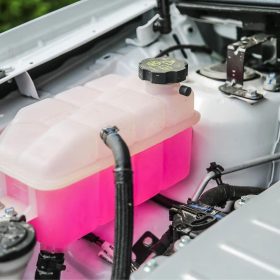
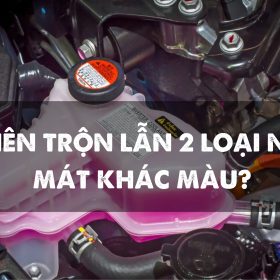
On the market, engine coolant comes in various colors, such as blue, red, pink, yellow, or orange. However, these colors are primarily used for product identification and do not serve as a reliable indicator of the additive technology or the quality of the fluid. Two products with the same color may not necessarily share the same composition, while products of different colors might actually utilize the same underlying technology.
Therefore, buyers should not arbitrarily mix different types of engine coolant simply because they share the same color. Combining incompatible formulations can alter chemical properties, diminish corrosion resistance, and, in some cases, lead to precipitation. When switching to a different product, it is advisable to verify compatibility and clean the system in accordance with technical guidelines.
Cost should be considered alongside quality and service life. A low-priced product that quickly loses its protective effectiveness may end up costing the user more in terms of replacement and maintenance. Rather than focusing solely on the initial purchase price, one should evaluate the total cost of ownership, the recommended replacement interval, and how well-suited the product is for the specific vehicle.
Mistakes to avoid when buying and using coolant
A common mistake is selecting a product based solely on its low price or color, without checking the technical specifications. This can lead to incompatibility with the cooling system, reducing its protective effectiveness and increasing the risk of corrosion and scale buildup. Furthermore, using products from unknown sources poses additional risks, as there is no way to verify their actual composition or quality.
Another mistake is to arbitrarily mix different types of coolant solutions or add tap water when the coolant level drops. Doing so can alter the concentration and chemical properties of the fluid. If an abnormal drop in the coolant level is detected, you should check for leaks or other related issues rather than simply continuing to add more fluid.
Finally, you should not extend the product's usage period beyond the manufacturer's recommendations. Even with high-quality products, the effectiveness of additives can diminish over time and under various operating conditions. Periodic inspections, timely replacement, and adherence to the provided instructions are the best ways to maintain cooling performance and engine protection.
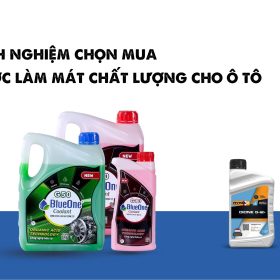
Purchase genuine BlueOne coolant: https://shopee.vn/blueonevietnam