 Find an AdBlue® filling station
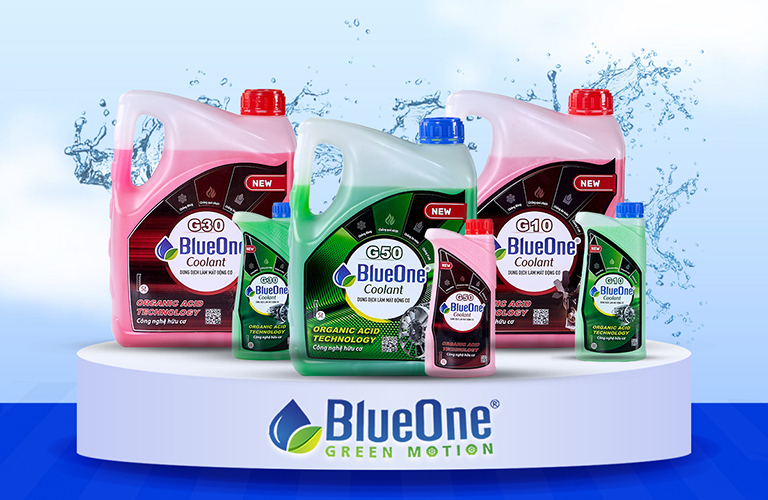
Coolant is often underestimated by car owners, even though it plays a role just as essential as engine oil. It's a fluid most drivers only hear about when changing the oil, but few understand its true importance. In fact, coolant can "save" your car's engine. Therefore, thoroughly understanding coolant—its function, types of coolant, and how to choose the right product for your vehicle—is extremely necessary.

The main function of coolant:
- Lower the freezing point. of the cooling system in winter, which helps prevent the engine from freezing.
- Increase boiling point in the summer, it helps the engine avoid overheating.
- Protect the cooling system and engine free from rust, corrosion, and impurities.
Types of coolants
In the past, most cars used similar materials for their cooling systems (such as brass, rubber, and cast iron), so the coolant formula was fairly standardized. However, today, cooling systems are designed differently for each car model, with a variety of materials such as copper, steel, aluminum alloys, magnesium, and even nylon.
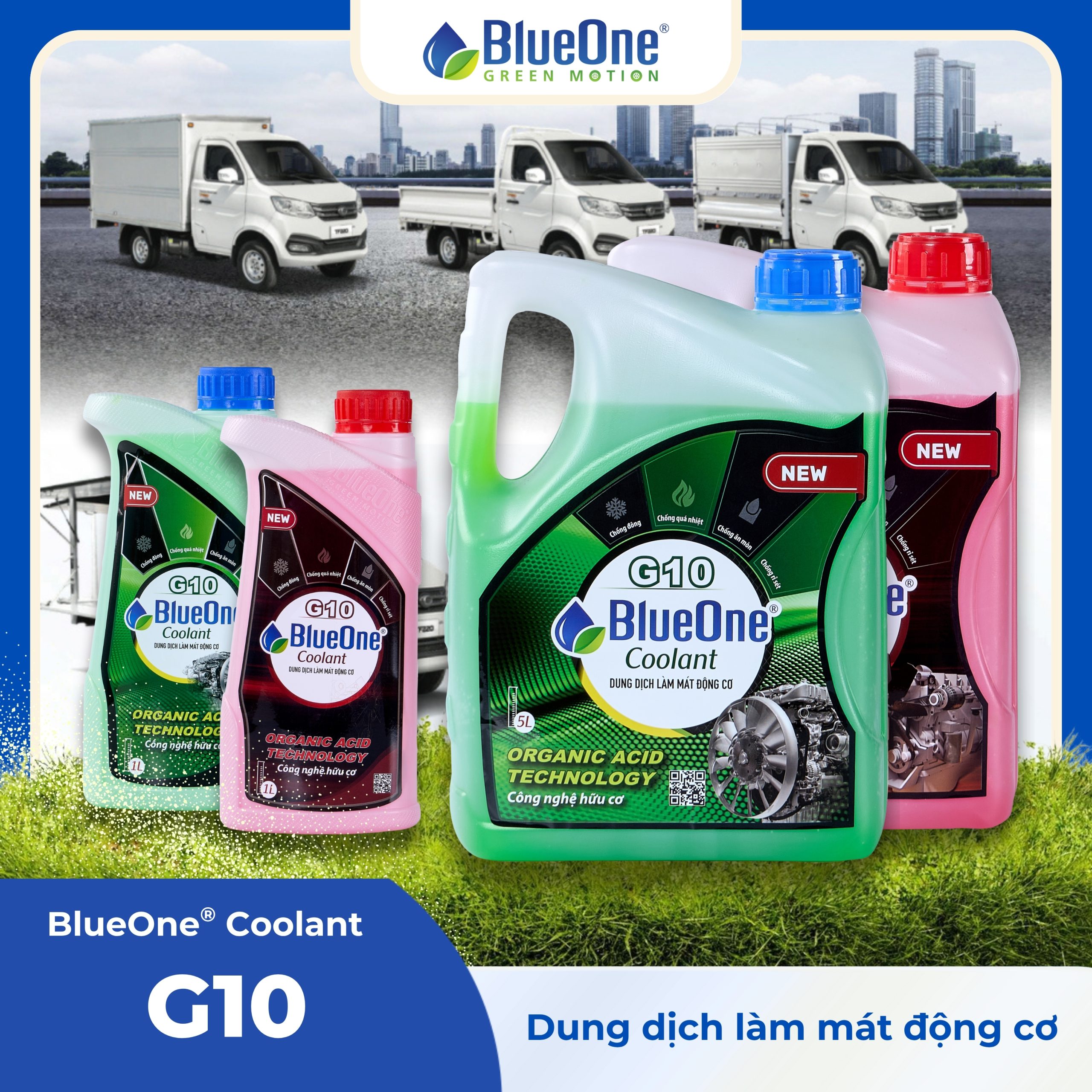

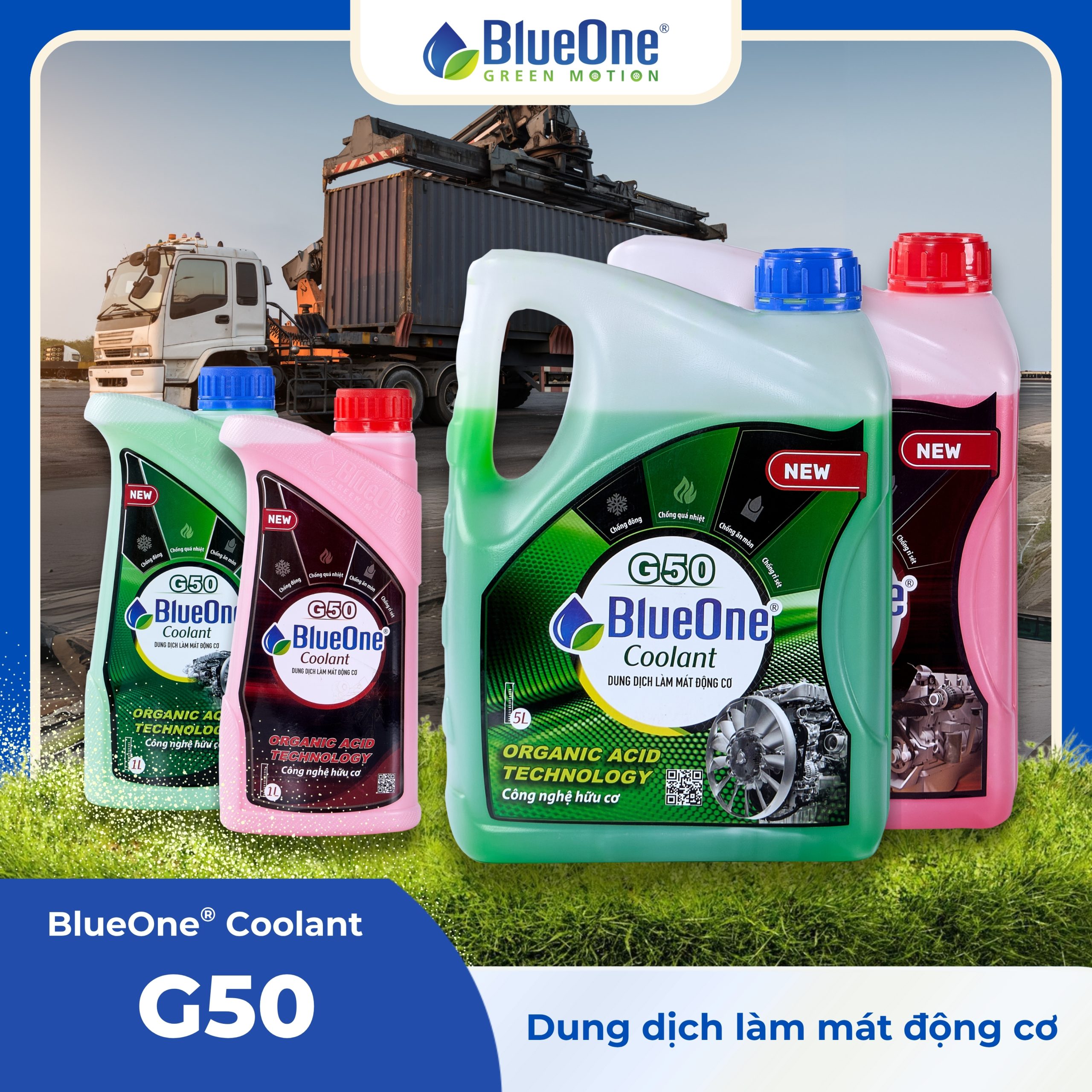
Choose the right coolant for your car: BlueOne® Coolant
Therefore, Choose the right coolant needs to be based on car brand, model year, country of manufacture. Currently, there are three main groups:
- Inorganic Additive Technology (IAT)
- As a traditional coolant, it is easily recognizable by its color. green.
- Shorter usage time: It needs to be replaced every 2 years..
- It is no longer common in newer car models due to its inferior performance compared to modern technologies.
- Organic Acid Technology (OAT)
- As an advanced generation of coolant, it is color orange, red, yellow or purple.
- Widely used on vehicles General Motors (GM) and several other brands.
- Long lifespan: lasts until 80.000 km or 5 year before replacement is needed.
- Note: Not all vehicle types are compatible with OAT.
- Hybrid Organic Acid Technology (HOAT)
- It is a combination of IAT and OAT, aiming to leverage the strengths of both technologies.
- Usually colored orange or yellow.
- Mainly used on car models Chrysler and Ford.
- Exceptional durability: can be replaced later 5 to 10 year.
Does the color of the coolant matter?
The colors are for illustrative purposes only commerce, which does not accurately reflect the composition or manufacturing technology.
For example:
- Both OAT and HOAT coolants can be colored. yellow or orange, which can be confusing if you only look at the color.
- Traditional types are usually: greentraditional types are usually: red or purple.
Most importantly unmixed using different types of coolant (e.g., a mixture of orange and green) can cause adverse chemical reactions in the cooling system.
🔵 Note: Always consult vehicle manufacturer's manual to choose the right type of coolant.
Some additional notes:
- Electric or hybrid vehicles This usually requires a special type of coolant specifically for the battery pack and electrical system — strictly follow the manufacturer's recommendations.
- Refer to authorized dealers if you are unsure which type of coolant is right for you.
- Most retail coolants already been ready to drink, no additional water is needed during use.
- It is possible to save costs by using branded coolant aftermarket reputable brands are important, but if possible, genuine, high-quality coolant is preferred.
- Take notes the type of coolant used was determined to ensure consistency for subsequent replacements.